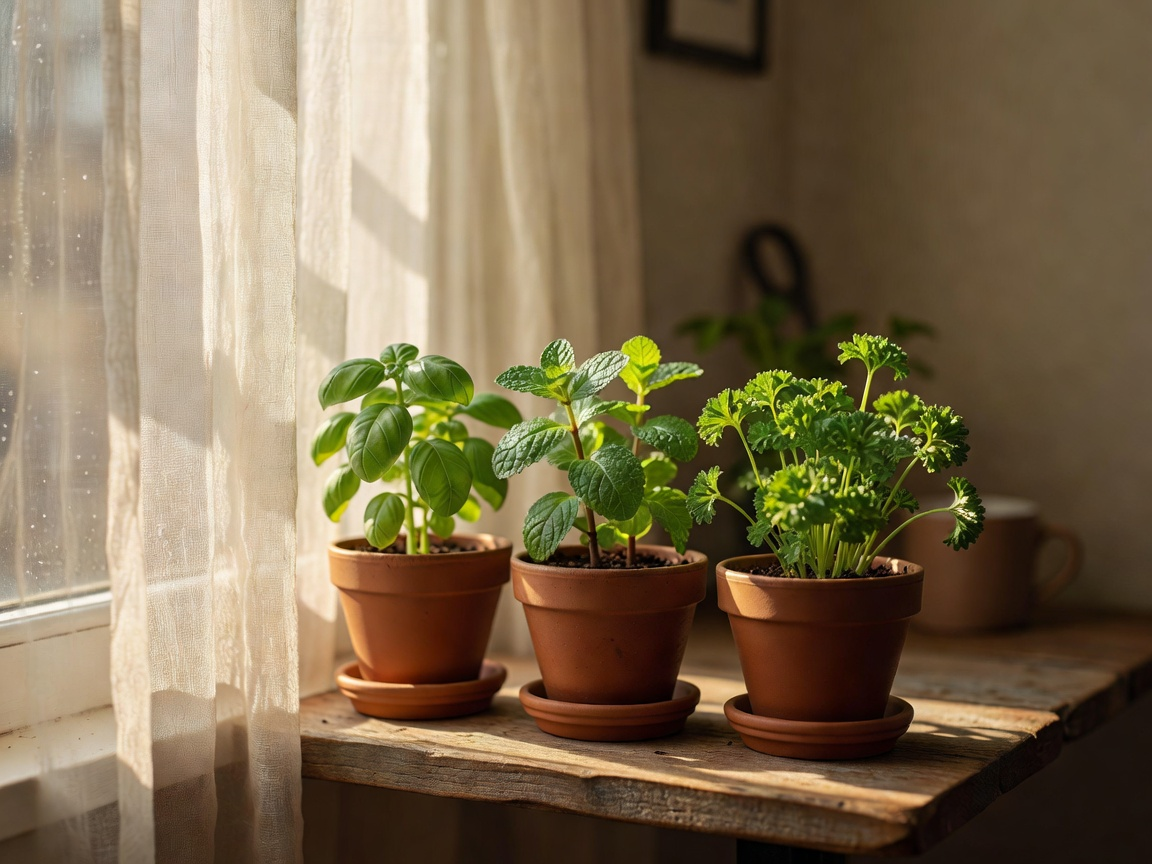
Your First Garden: A Beginner-Proof Guide to Growing Healthier Food at Home
Picture this: You're stirring a pot of pasta sauce, and instead of reaching for a wilting bunch of store-bought basil, you snip a handful of vibrant leaves from your own windowsill garden. The aroma hits you first—fresh, earthy, alive. No plastic packaging, no faded flavor. Just pure, pesticide-free herbs you grew yourself. If you've ever eyed that tiny balcony corner or sunny kitchen ledge and wondered, Could I grow my own food there?, this beginner garden guide is for you. Urban apartment dwellers and renters, take heart: sustainable growing for the rest of us starts with a little patch of green, right where you live.
You're already health-conscious, craving food you trust. In bustling city life, starting your first garden isn't about vast plots or green thumbs—it's about reclaiming control over what nourishes you. Let's dive into why homegrown nutrition beats the supermarket every time, and how to make small space gardening simple and achievable.
Why Homegrown Food Beats Store-Bought Every Time
Store shelves brim with produce that's traveled thousands of miles, often treated with pesticides and synthetic fertilizers to survive the journey. You never quite know what's lingering on those leaves or in the soil they grew in. But when you grow your own food at home, you call the shots. No mystery chemicals. Just clean water, natural sunlight, and maybe a dash of compost from your kitchen scraps.
Pesticide-free herbs like basil, mint, or parsley thrive without harsh sprays. You decide every input, ensuring your harvest is as pure as it gets. For urban gardening beginners, this control translates to peace of mind—and tastier meals. Imagine biting into a cherry tomato you nurtured yourself, bursting with flavor unmuted by preservatives.
Fresher Harvests Mean Superior Nutrition
Nutrients in fruits and veggies start fading the moment they're picked. By the time store-bought greens reach your fridge—after days or weeks in transit—vitamins like C and folate can drop by half. Homegrown nutrition changes that equation entirely. Pluck your salad greens minutes before chopping, and you capture peak freshness. Studies show this preserves antioxidants and enzymes that support immunity and vitality.
Think of it: Your apartment herb garden yields basil packed with anti-inflammatory compounds, or microgreens loaded with vitamins A, B, and K. Picked at their prime, they deliver real healthy living gardening benefits—fuel for your body without the nutrient drain of commercial supply chains.
The Deeper Wellness of Tending Your Plants
Beyond the plate, gardening weaves wellness into your routine. Watering your pots each morning becomes a mindful pause amid city hustle—a quiet ritual that lowers stress and boosts mood. Studies link plant care to reduced anxiety, as the simple acts of nurturing growth mirror self-care.
There's profound satisfaction in harvesting what you've tended: the earthy scent of soil under your nails, the thrill of your first sprout. This connection to food fosters gratitude and a deeper appreciation for nature, even in a high-rise. For renters craving that grounded feeling, it's transformative—a little patch of green for your soul.
Your Beginner-Proof First Three Steps to a Thriving Garden
Ready to start? This first garden plan keeps it renter-friendly: no toolshed required, just your windowsill or balcony nook. Focus on easy herbs—they grow fast, forgive mistakes, and flavor everything from smoothies to stir-fries.
- Assess Your Light and Pick Pots: South-facing windows offer prime sun (6+ hours daily) for basil and parsley; mint tolerates shadier spots. Grab shallow pots (6-8 inches) with drainage holes—plastic or terracotta work for small space gardening. Renter tip: Use saucers to protect sills.
- Soil, Seeds, and Water Basics: Fill with potting mix (not garden dirt—it compacts). Sow seeds per packet depths, or snag beginner-proof seed starter kits for foolproof germination. Water when top soil feels dry—aim for moist, not soggy. Pro move: Mist leaves for humidity in dry apartments.
- Harvest and Maintain: Snip tops to encourage bushiness. Fertilize lightly every 4-6 weeks with organic fish emulsion. Watch for pests? A gentle soap-water spray handles aphids naturally.
In weeks, you'll have lush growth. Troubleshooting? Yellow leaves often mean overwatering—dial back and thrive.
Small-Space Gardening Made Simple for City Life
No yard? No problem. Urban gardening for beginners shines in tight quarters: stackable planters on balconies, hanging baskets from railings, or LED grow lights for low-light kitchens. Even a single shelf of herbs counts—a countertop revolution yielding endless pesticide-free bounty.
Vertical gardening maximizes every inch: Train peas up strings or layer shelves with lettuces. Sustainable growing for the rest of us proves that abundance fits anywhere. Start with three pots, expand as confidence blooms.
Plant Your First Seeds Today
Your first garden awaits—no perfection needed, just curiosity and consistency. That sprig of mint in your tea? It's more than flavor; it's your step toward healthier, mindful living. For easy starters, check GreenNook's herb kits—curated for apartment adventures. Dig in, grow on, and savor the harvest of your own making.
